


The recent agreement between the United States and Ukraine marks a significant moment in their bilateral relations, especially amid the ongoing conflict that has adversely affected Ukraine. The deal, finalized just months after negotiations began, permits the United States to access certain natural resources from Ukraine, including both minerals and energy sources. This collaboration aims to bolster Ukraine’s economy, reinforcing U.S. support as the country continues its efforts to fend off Russian aggression three years post-invasion.
A critical element of this deal is the establishment of an investment fund. Ukrainian officials expressed hopes that this fund would solidify U.S. assistance, as they seek to uphold their national sovereignty and defend against military threats. While the BBC has had the opportunity to preview a draft of this agreement, it has yet to review the final signed text, which likely contains key stipulations affecting future operations.
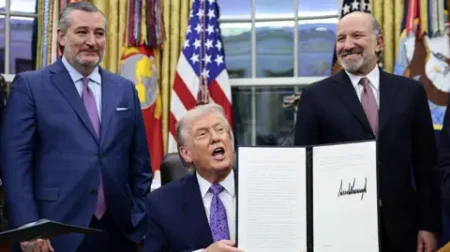
One of the standout aspects of this arrangement is the clarification regarding any financial liabilities on Ukraine’s part. Previously, former President Donald Trump suggested that Ukraine should repay a substantial sum, amounting to $350 billion (£264 billion) in aid ostensibly provided by the U.S. However, Ukrainian Prime Minister Denys Shmyhal affirmed that the current agreement does not impose any repayment obligations on Ukraine. In the political landscape, Trump has characterized this agreement as a significant success, suggesting that the U.S. will gain far more benefits than it expended in aid under President Biden’s administration.
The agreement also signifies a shift in rhetoric regarding the United States’ stance toward Russia. As stated by the U.S. Treasury Department, the deal openly condemns “Russia’s full-scale invasion,” reinforcing conditions under which entities that have supported or funded Russian military actions will be barred from participating in Ukraine’s reconstruction efforts. This stricter tone from the Biden administration provides a sense of reassurance for Ukrainian officials who have advocated for stronger measures against Russia.
Beyond minerals, the accord includes provisions for exploring and developing oil and gas resources, indicating a comprehensive approach to utilizing Ukraine’s diverse energy landscape. Nevertheless, it is important to highlight that all resources will remain under Ukrainian ownership, albeit with shared access for U.S. entities. This concession suggests a strategic compromise on Ukraine’s part compared to earlier drafts of the agreement.
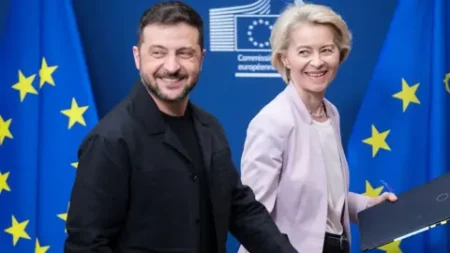
Additionally, Ukrainian aspirations toward joining the European Union (EU) are acknowledged within the agreement. Previous concerns in Kyiv suggested that the resource deal could complicate Ukraine’s EU accession process due to potential preferences afforded to U.S. investors. Fortunately, the current text assures that the United States recognizes Ukraine’s EU ambitions and commits to revisiting terms if adjustments are required due to its membership pursuits.
Military support forms another cornerstone of this agreement. Ukrainian First Deputy Prime Minister Yulia Svyrydenko emphasized that the deal is vital for securing ongoing U.S. military assistance, with future contributions potentially including advanced air defense systems. This marks a notable tactical change, especially since Trump has previously indicated a desire to de-escalate military support for Ukraine. However, a question remains regarding what this deal ultimately translates to in terms of security guarantees, which have been a focal point of both Ukrainian and European demands.
Moreover, a proposal that profits generated from the initial decade of the reconstruction fund should be reinvested back into Ukraine’s economy is both intriguing and critical. While there might be a delay in U.S. benefits, this stipulation suggests a long-term commitment to rebuilding. However, the specifics around this potential reinvestment remain unconfirmed as part of the signed agreement.
Overall, this historic deal represents a pivotal juncture in U.S.-Ukraine relations, particularly as both nations navigate the complexities of the ongoing conflict with Russia. The extent to which economic collaboration translates into tangible benefits for both parties, especially in terms of security and investment, remains to be fully understood and realized in the months and years ahead.