



The political consensus surrounding climate change in the UK has dramatically shifted in recent years, transitioning from a unified commitment to achieve net-zero carbon emissions by 2050 to a fragmented and contentious debate among political parties. Initially celebrated as a groundbreaking commitment, the UK was the first major economy to enshrine such ambitions into law, with the mandate largely accepted across party lines. This unanimity was evident as the proposal was ‘nodded through’ without a formal vote in Westminster. However, the current political landscape reflects a stark contrast, characterized by division and contention regarding climate action.
One of the most significant changes in the political narrative is the rise of timelines for achieving clean energy. While the Labour Party aims for a more ambitious goal of a transition to clean power by 2030, the Conservative Party appears to be retracting its commitment. New players, such as Reform UK, have even begun to contest the necessity of reaching net-zero as a principle. This pivot signifies an alarming trend in UK politics, transforming what was once a collaborative effort into a battle of ideologies.
Former Prime Minister Tony Blair, an influential figure within the Labour Party, remarked that existing strategies to combat climate change might not be effective, though his organization has continued to support government targets. This reflection raises questions about the efficacy of previous frameworks and strategies, indicating a potential need for reevaluation in methodologies to tackle climate issues.
As we delve deeper into the changing political dynamics, one must consider the role of public sentiment and economic conditions. In 2019, public concern about climate change peaked, spurred by grassroots movements like Extinction Rebellion and the inspirational presence of activists like Greta Thunberg. Recent sentiment, however, appears to be shifting, particularly due to risen living costs and international crises such as the war in Ukraine. According to Luke Tryl, a pollster with More in Common, while concern about climate remains consistent, the focus has transitioned towards its implications on household finances.
Contrastingly, the conversation within political spheres has escalated into polarization, with clear dichotomies forming between left and right ideologies. Labour and Liberal Democrat sympathizers rank climate as a priority, while those aligned with Reform UK express skepticism, viewing net-zero goals as a hindrance rather than a benefit. Tryl points to the stark division at the elite level, suggesting that the fracturing of consensus is more profound among political leaders than among the general public.
Notably, the emergence of Reform UK has amplified discussions surrounding climate initiatives, as they have branded the concept of net-zero as “net stupid zero,” drawing attention to perceived failures and inefficiencies in current government policy. Richard Tice, Deputy Leader of Reform UK, argues that the rising cost of living is intricately linked to energy prices, with constituents now attuned to the financial burdens imposed by climate action.
The Green Party, through its co-leader Adrian Ramsay, has expressed distress over the partisan approach to climate action, urging for unity and rational policy-making. Ramsay emphasizes that voters need to feel included in the climate conversation, thereby promoting constructive policy rather than divisive rhetoric.
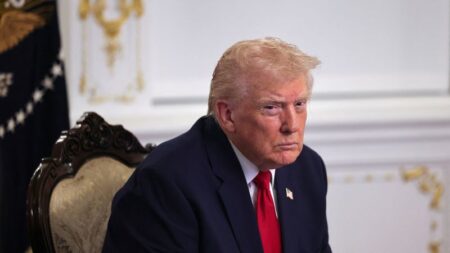
A portion of the political landscape is believed to be adopting the polarized discourse seen in the United States, driven, in part, by lobbying from fossil fuel industries emboldened by figures like Donald Trump. Pippa Heylings, the Liberal Democrats’ net zero spokesperson, argues that as the easier measures for transitioning have been implemented, the focus is now on more complex issues that directly affect citizens’ lives.
Among the Conservative Party, the political landscape has shifted from embracing ambitious targets under former leader Boris Johnson to a slowed approach under current leader Rishi Sunak, sparking criticism within its ranks. Some Conservative members advocate for a return to prioritizing decarbonization, asserting that a more market-driven approach offers potential solutions without collapsing the economy.
On the flip side, the Labour Party, while showcasing a unified front in promoting its climate agenda, has to confront internal divisions, particularly from trade unions. These unions highlight that any transition to green energy must account for job security, revealing a complex layer of economic concerns intertwined with environmental objectives.
As the political capital invested in climate-related policies grows, the stakes for Labour’s commitment to ambitious green targets have never been higher. Observers indicate that diluting these aspirations may undermine public trust and deter foreign investment. Ultimately, the confrontation between climate imperatives and economic viability is intensifying, and the implications of this ongoing political struggle will undoubtedly shape the UK’s future environmental and financial landscape.